Understanding ATC


King’s Foundation students explore careers in aviation
15 April 2024We recently opened the doors of Prestwick Centre to several students from Ayrshire schools as part of the King’s Foundation programme. Keen to understand more about aviation careers and air traffic control, the students were given a tour of the operation.


Answering your eVTOL future flight questions
7 March 2024At the end of last year, we ran a series of simulations at our head office in Hampshire designed to help us understand how eVTOLs might one day operate at scale within UK airspace which promoted a lot of questions. I wanted to take this opportunity to answer some of the points people took the time to raise.
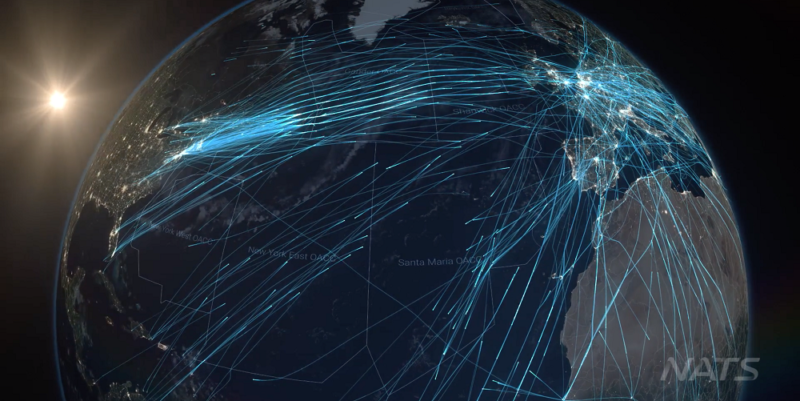

Supersonic transatlantic if the Jet Stream blows ferocious?
23 February 2024The last couple of weeks have seen a strong Jet Stream and some rapid transatlantic crossings. That’s prompted some people to wonder if those flights have actually been flying faster than the speed of sound and going super-sonic.
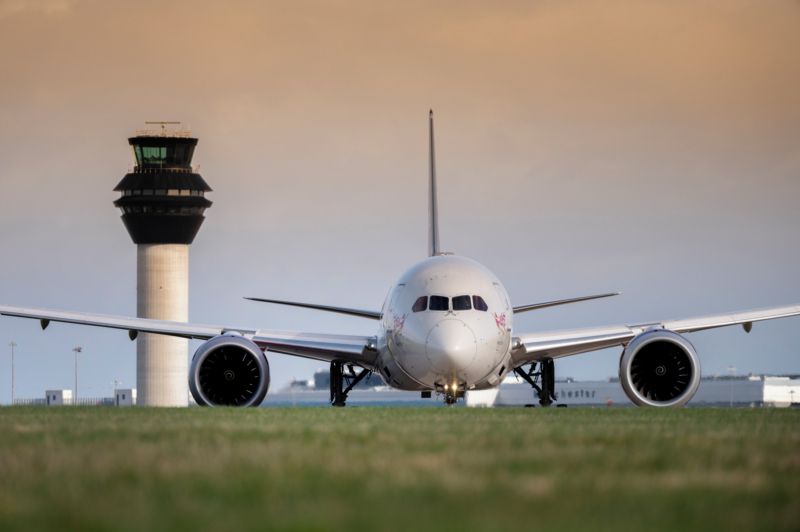

How Flow Measures Keep the Skies Safe
22 November 2023When it comes to air traffic control (ATC), our top priority is ensuring the safety of the skies. To achieve this, we sometimes need to implement what are called Air Traffic Flow and Capacity Management (ATFCM) measures. Essentially, these measures allow us to manage demand in different parts of the airspace so that traffic levels always remain safe.

Shanwick Oceanic ATC Set New Benchmarks
14 July 2023The weekend of the 7th-9th July marked a pivotal moment for aviation. Our Shanwick Oceanic ATC team, based in NATS Prestwick Centre, Scotland, set new benchmarks for Oceanic traffic movements, whilst delivering high levels of efficiency and safety.
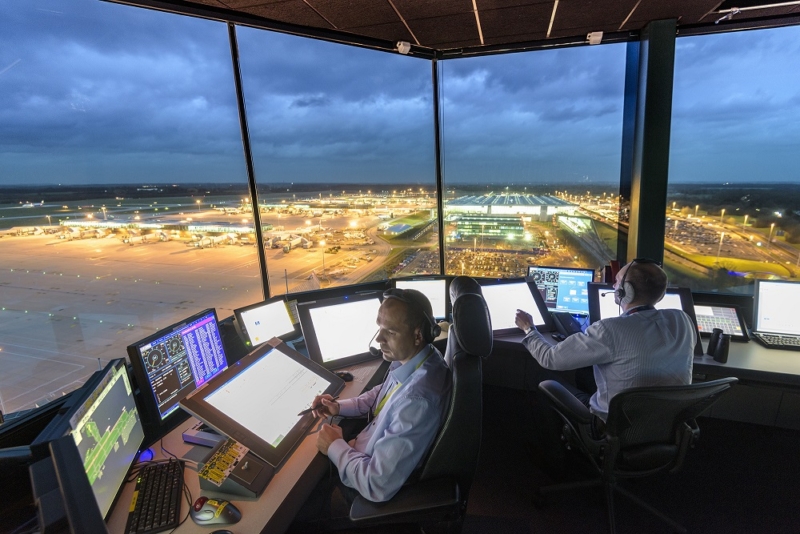

We don’t often find ourselves in the situation when we have to put on regulations – restrict the traffic flows – at airports where we provide the ATC, but it can happen when an unexpected staff illness reduces our Tower team to levels below what they need to operate normal service. Businesses everywhere have to deal with short-notice staff sickness, but it’s especially noticeable for us because it means aircraft can be delayed, or sometimes even diverted to another airport, and that means inconvenience to the airlines and to the travelling public.
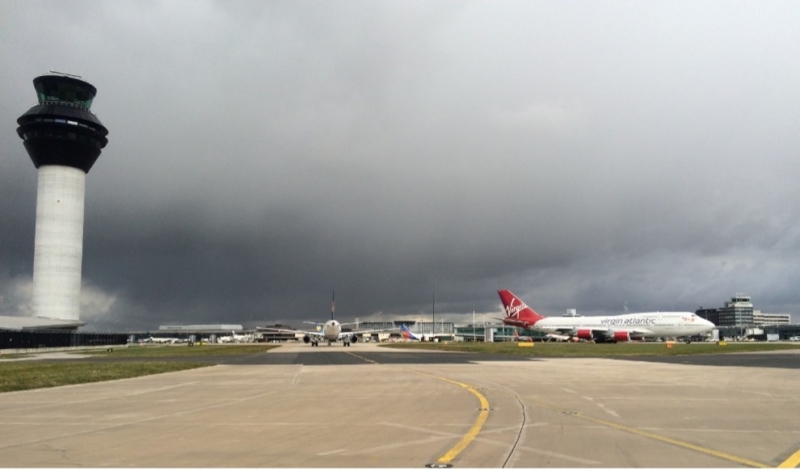

How storms rain on our parade
27 June 2023With thunder, lightning and torrential rain also tend come flight delays. Those are often mysteriously put down to ‘air traffic control restrictions’, but what does that mean in reality and why are storms such a headache for air traffic controllers?
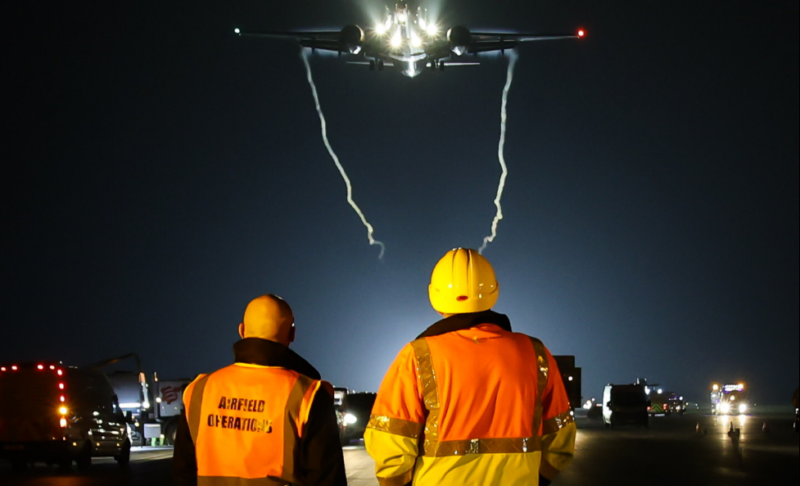

The Race to Resurface Stansted Runway
20 June 2023Five months of work resurfacing Stansted’s single runway has been completed two weeks earlier than scheduled. More than 200 engineers and technicians worked 22 weeks of night shifts to make sure the airport’s the 1.9 mile long runway could be fully resurfaced as quickly as possible and with minimal disruption ahead of a busy summer season.


On 24 June 1948, ground access to the French, British and American zones of Berlin was cut off by the Soviet forces in East Germany. On 26 June, the first airlift flights departed for West Berlin. Over the following fourteen months over two million people were supplied with food, medicine, clothing, fuel, water and any other necessities by air.


Air Traffic Controller, Nicky Patterson, took some time to make sure that she answered all of your burning questions for all things Air Traffic Control.