Airspace Efficiency


Taking flight: progressing the path to modernise UK airspace
20 February 2024In this blog, Rich Crooks, Manager Airspace Delivery, explains how NATS is progressing the path to modernise UK airspace.

Diversions: Is Improvement Possible?
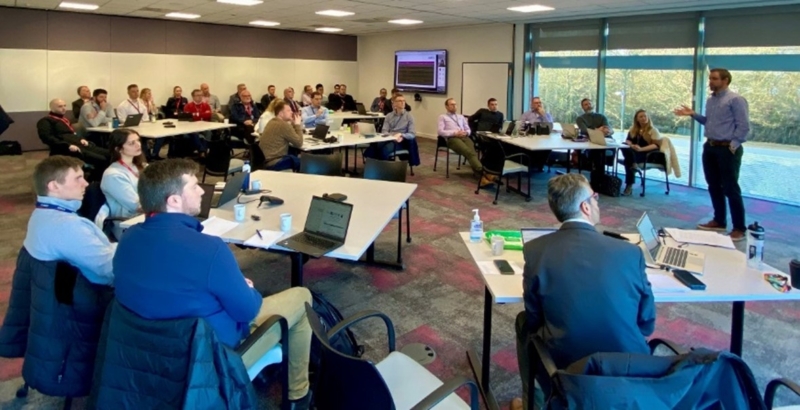
15 February 2024Over 70 representatives from the aviation industry joined us at Whiteley, for a Mass Diversion Exercise to trial a new tool being developed by EUROCONTROL. Airlines, airports, the CAA and Department for Transport helped us carry out a full-scale trial of an electronic interface, designed to improve the management of aircraft diversions during runway closures and weather events.

How Flow Measures Keep the Skies Safe
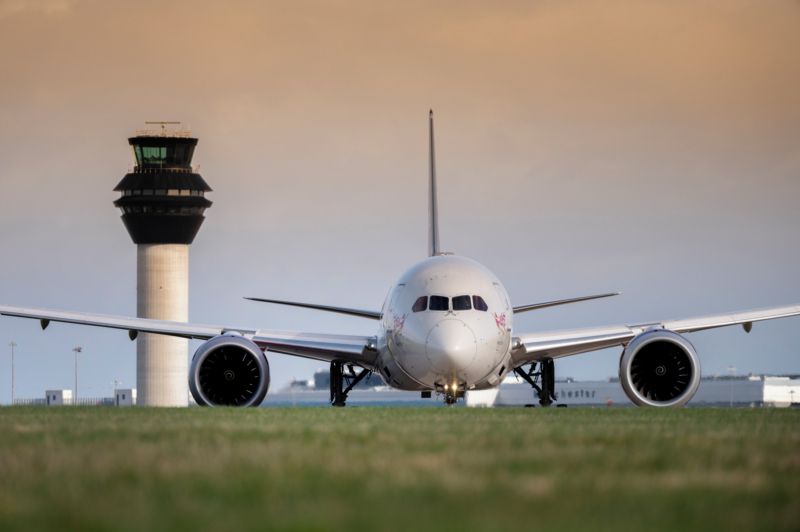
22 November 2023When it comes to air traffic control (ATC), our top priority is ensuring the safety of the skies. To achieve this, we sometimes need to implement what are called Air Traffic Flow and Capacity Management (ATFCM) measures. Essentially, these measures allow us to manage demand in different parts of the airspace so that traffic levels always remain safe.

There’s definitely a place for Free Route Airspace
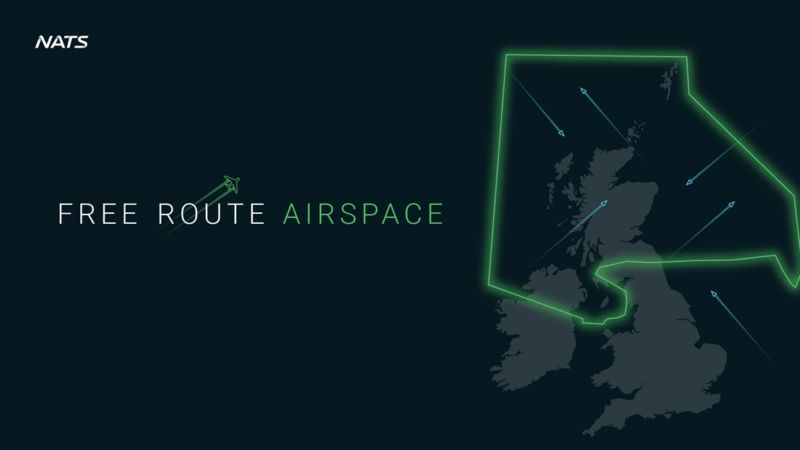
22 April 2022Earlier this month, I was invited to present at the Asia Pacific (APAC) Civil Air Navigation Services Organisation CEO Committee Meeting to talk about our recent deployment of Free Route Airspace and the benefits it could deliver across the region.

Pandemic traffic patterns give way to the summer
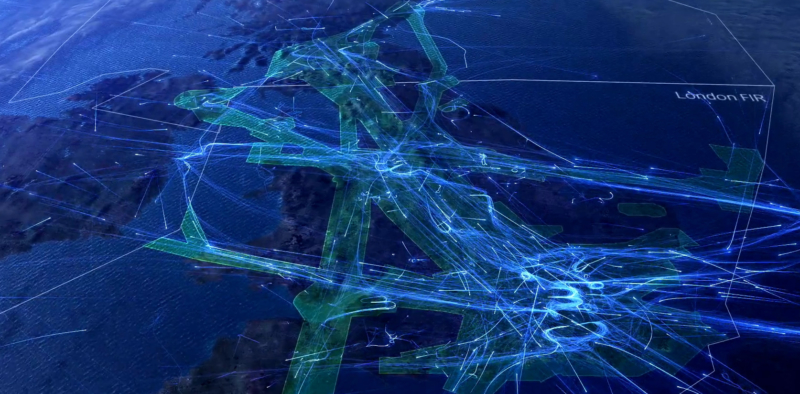
25 March 2022The Covid pandemic had a huge impact on aviation. Almost overnight the volume of traffic in the UK dropped hugely, by up to 90%. But this also provided an unexpected opportunity to see how we could use the UK’s airspace more efficiently.


The European Airspace Challenge
11 September 2019The summer of 2019 has been record breaking across the European aviation network with a record 37,228 flights handled on 28 June. And the European ATM community has been standing shoulder-to-shoulder to deliver efficient and effective air travel during the region’s busiest period.


An International Affair – how NATS helps showcase global design
17 September 2018Now in its 16th year, The London Design Festival is a truly international affair. A creative celebration that brings together designers, architects and exhibitors from across the globe to showcase their latest designs, it is world-renown and the highlight of the year for many in the industry


The High Seas: the next airspace frontier?
20 February 2017Navigation at sea is very different to aviation – with the exception of a few very busy traffic management schemes such as those in the English Channel, ships are largely left to depend upon the training of the captain and self-separation. But on the issue of drones, there is absolute agreement – they are already here and are able to deliver substantial benefit to UK plc.


Your Intelligent Approach webcast questions answered
3 August 2016Last week I was interviewed alongside Kevin Hightower, Aviation Chief Technologist of Lockheed Martin, as part of a live webcast on the concept of Intelligent Approach, including Time Based Separation (TBS) and Pairwise. These are the answers to some of the questions raised during the webcast.
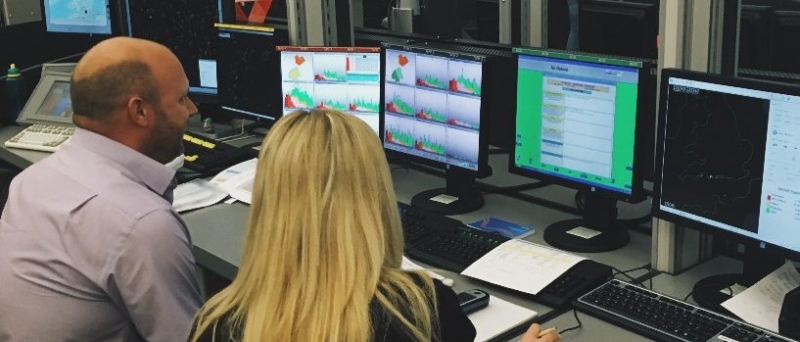

Planes, plans and predicting demand
23 June 2016The UK’s airspace is some of the busiest and most complex in the world and as well as traffic departing and arriving from the UK, we also act as one of the main gateways in and out of continental Europe.